OUR ENTREPRENEURS
Naisha Chopra: Share a Smile Initiative
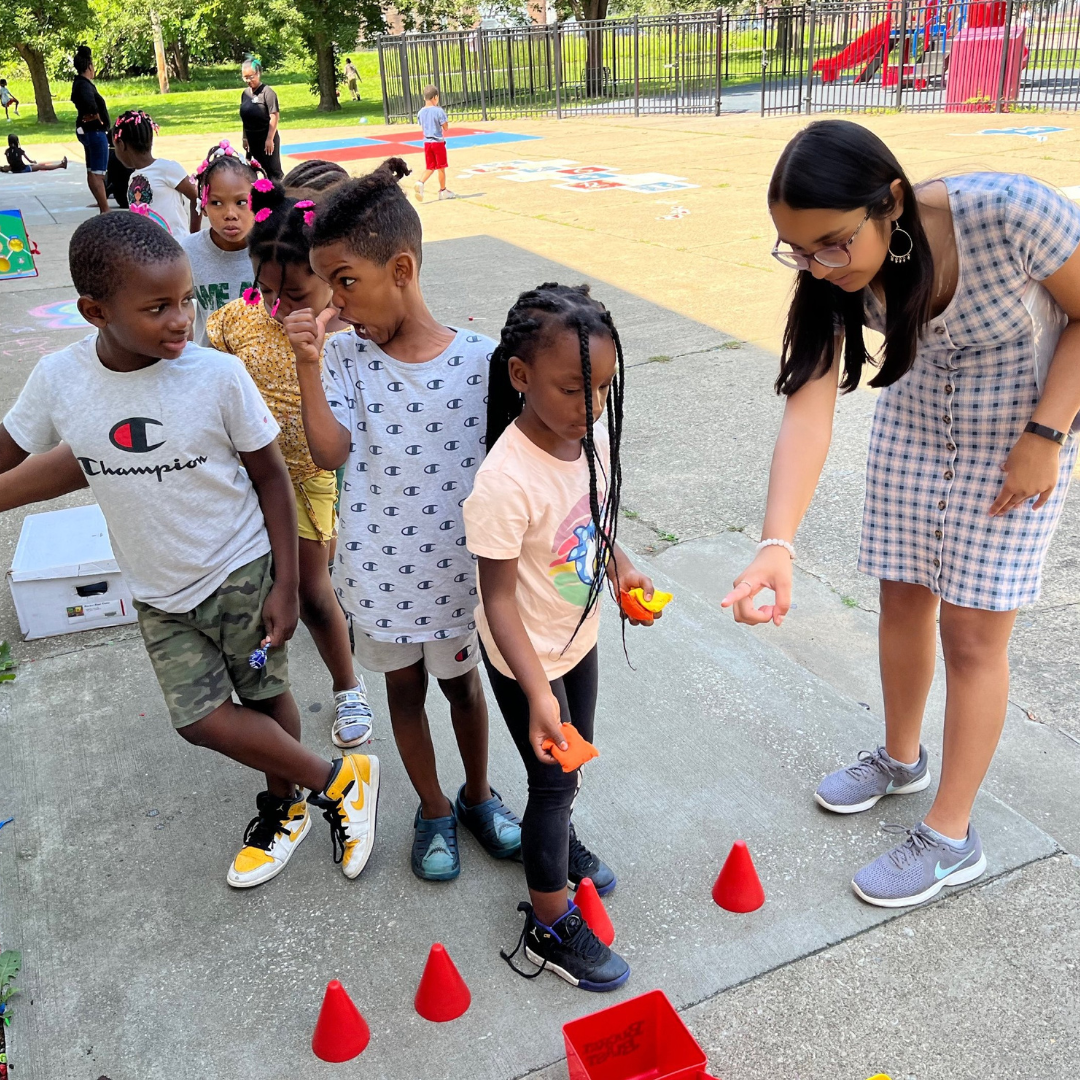
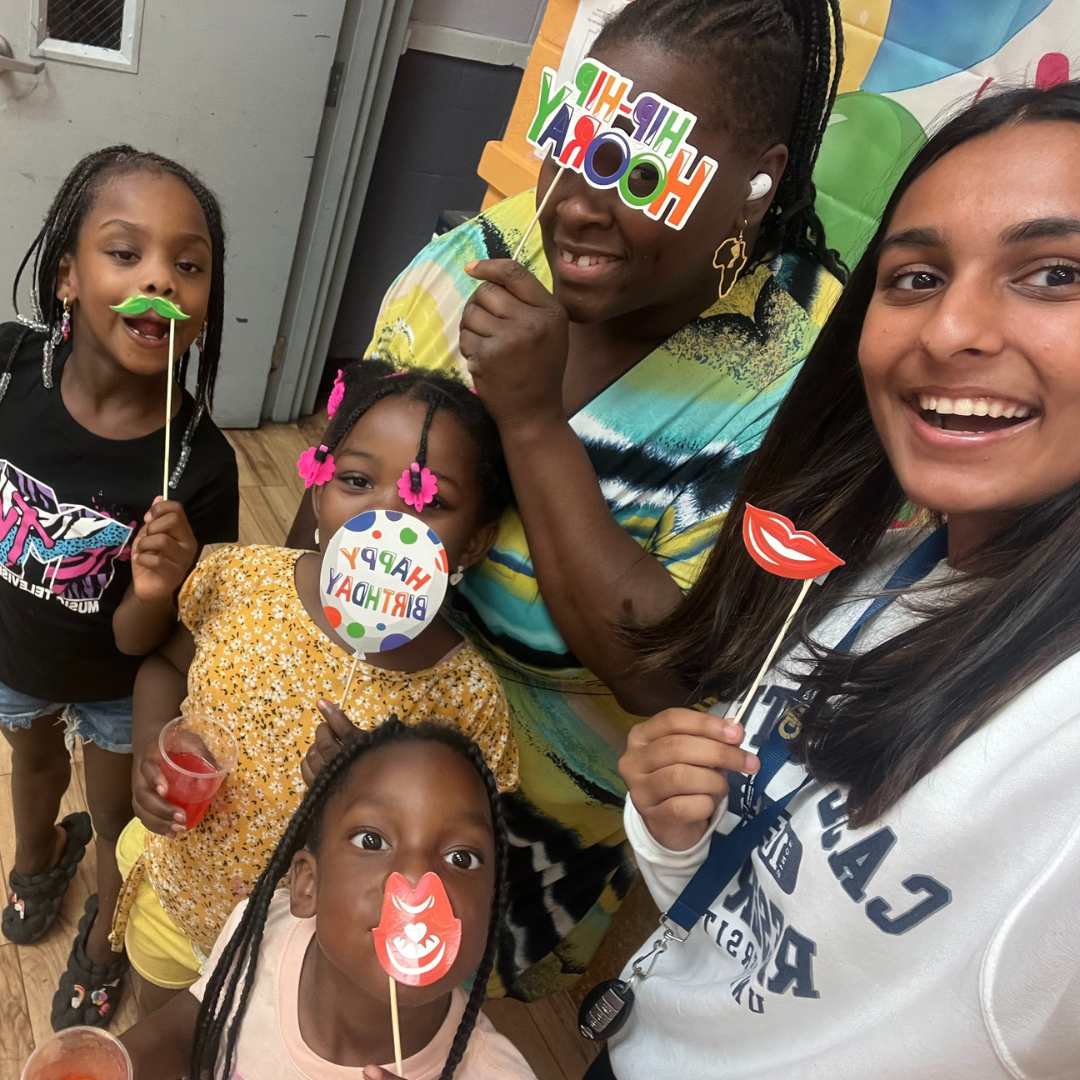
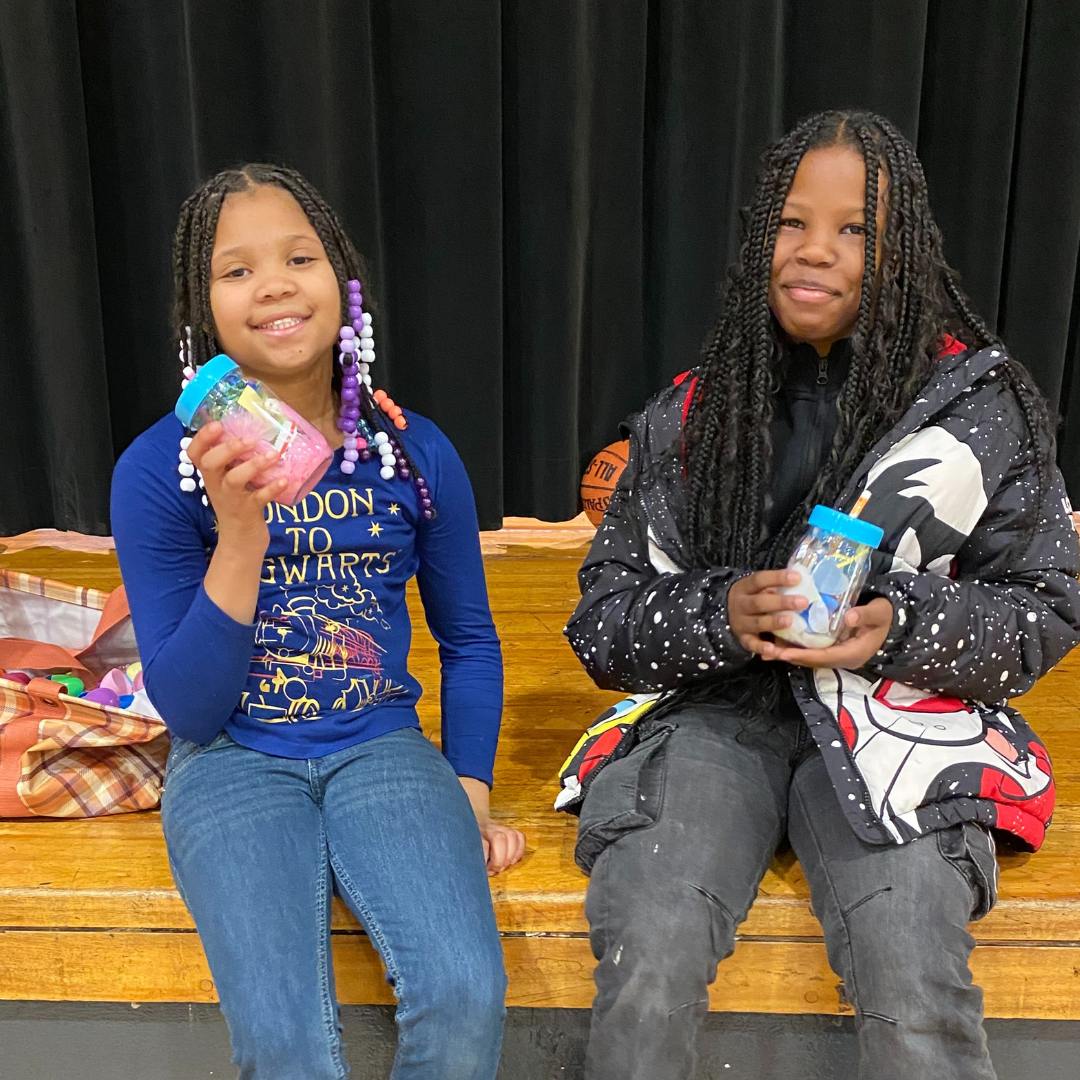
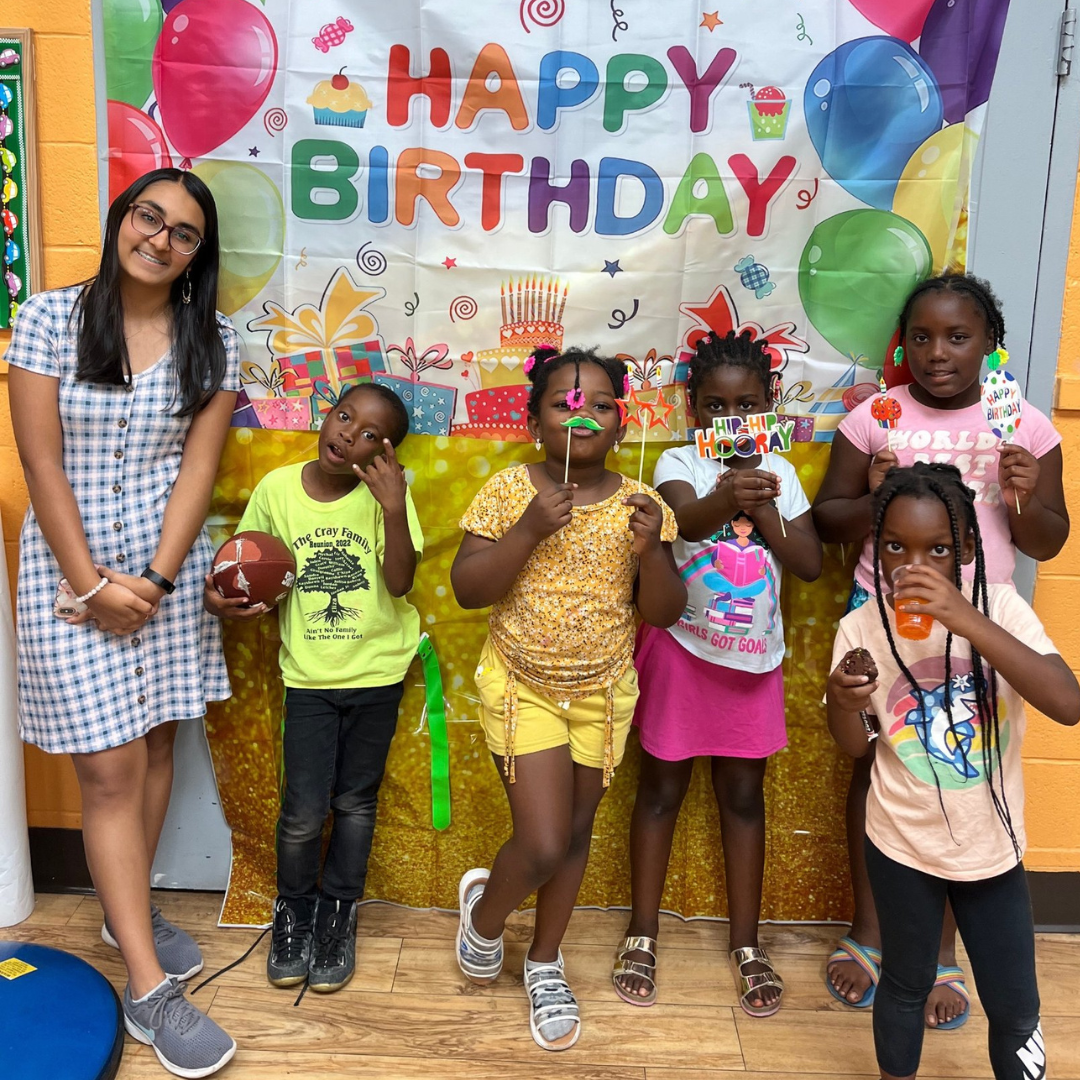
Naisha Chopra, student of the 2026 graduating class at North Royalton High School, started her nonprofit business Share a Smile Initiative during the pandemic. The initiative aims to provide birthday parties and celebration kits for low-income children. With over 200 volunteers spanning across six states and internationally, Naisha plans to continue her business while attending college and majoring in business. We spoke with her about starting her business and the challenges she’s overcome.
Lightly edited for clarity and brevity.
What sparked the idea of creating your business Share a Smile Initiative?
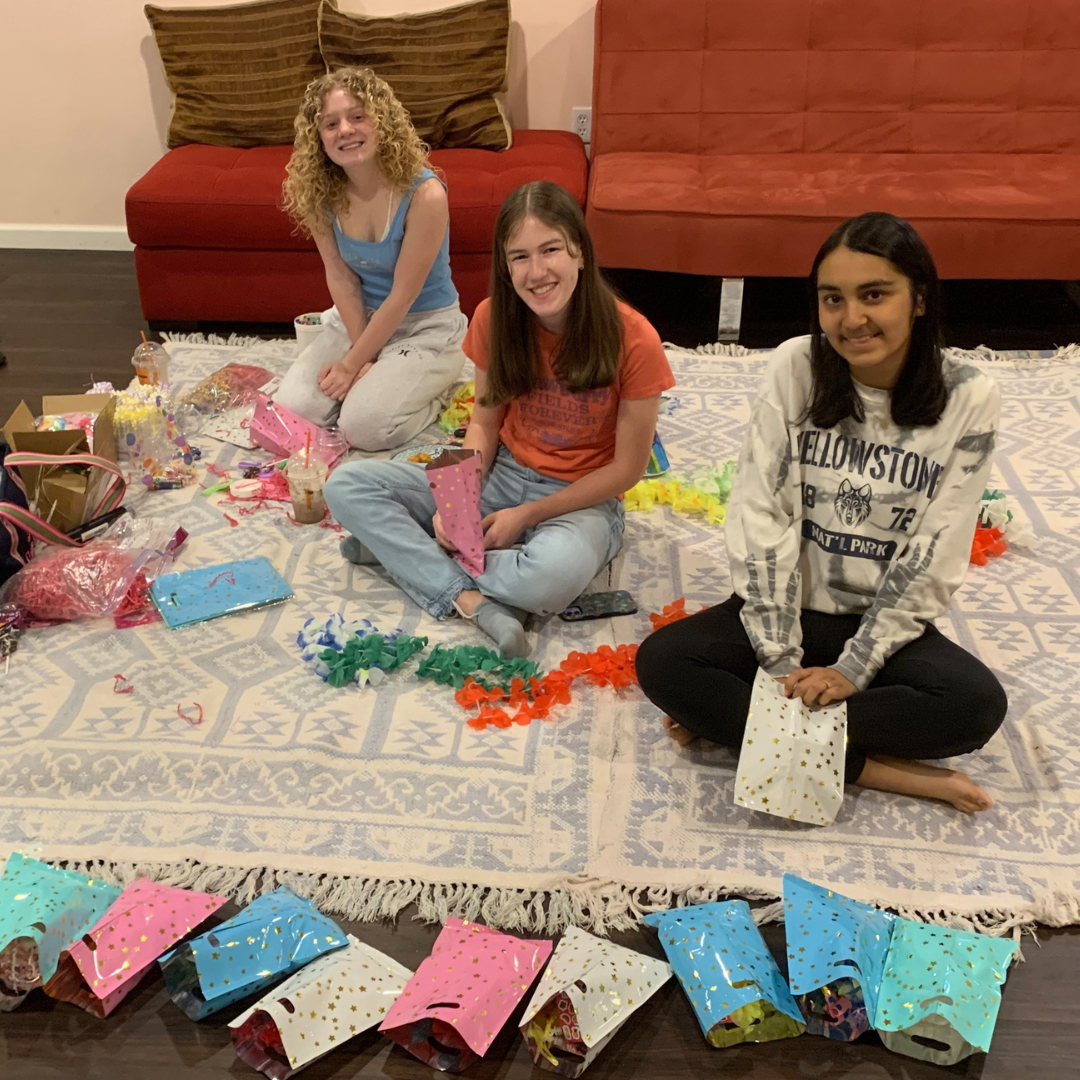
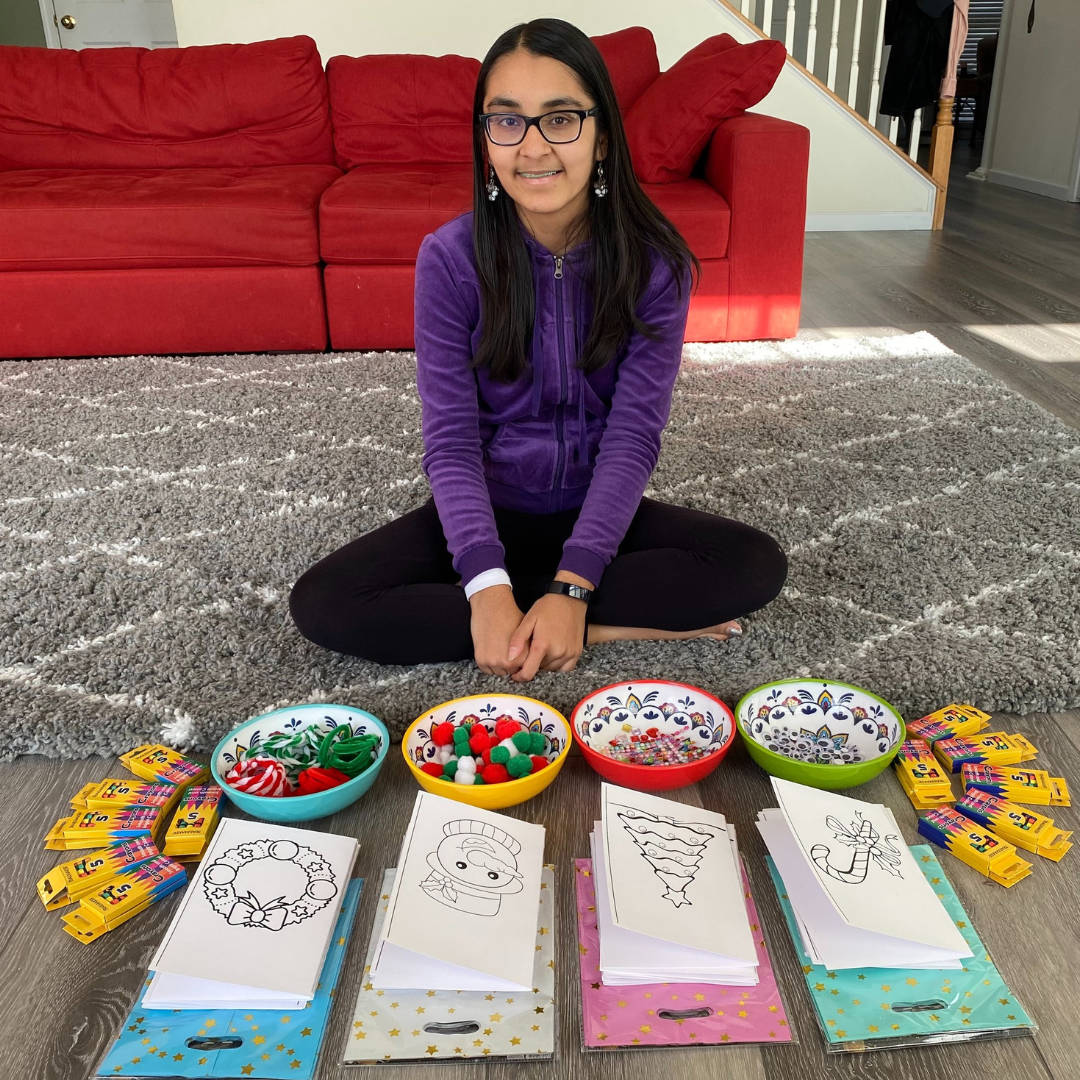
It started near the middle of the pandemic. During that time, my uncle and aunt both lost their jobs, they live in India and it was a pretty rough time. We were living in the United States and couldn’t fly there, so we would call them. They were so downtrodden and had lost a lot of hope for finding new jobs. They have two kids whose birthdays were coming up. Since I was still a kid, I couldn’t really help them with money but I thought maybe I can help in a smaller way. I decided to send them this little party in a box for the two kids’ birthdays. That kit had decorations, some packaged treats that wouldn’t spoil in shipment, a homemade card, and some other things like that. It wasn’t helping them find a new job or anything like that but I saw how I spread the joy during a really dark time for them. I knew it was something I wanted to continue doing.
Why did you take that experience of sending a party in a box kit and turn it into a business?
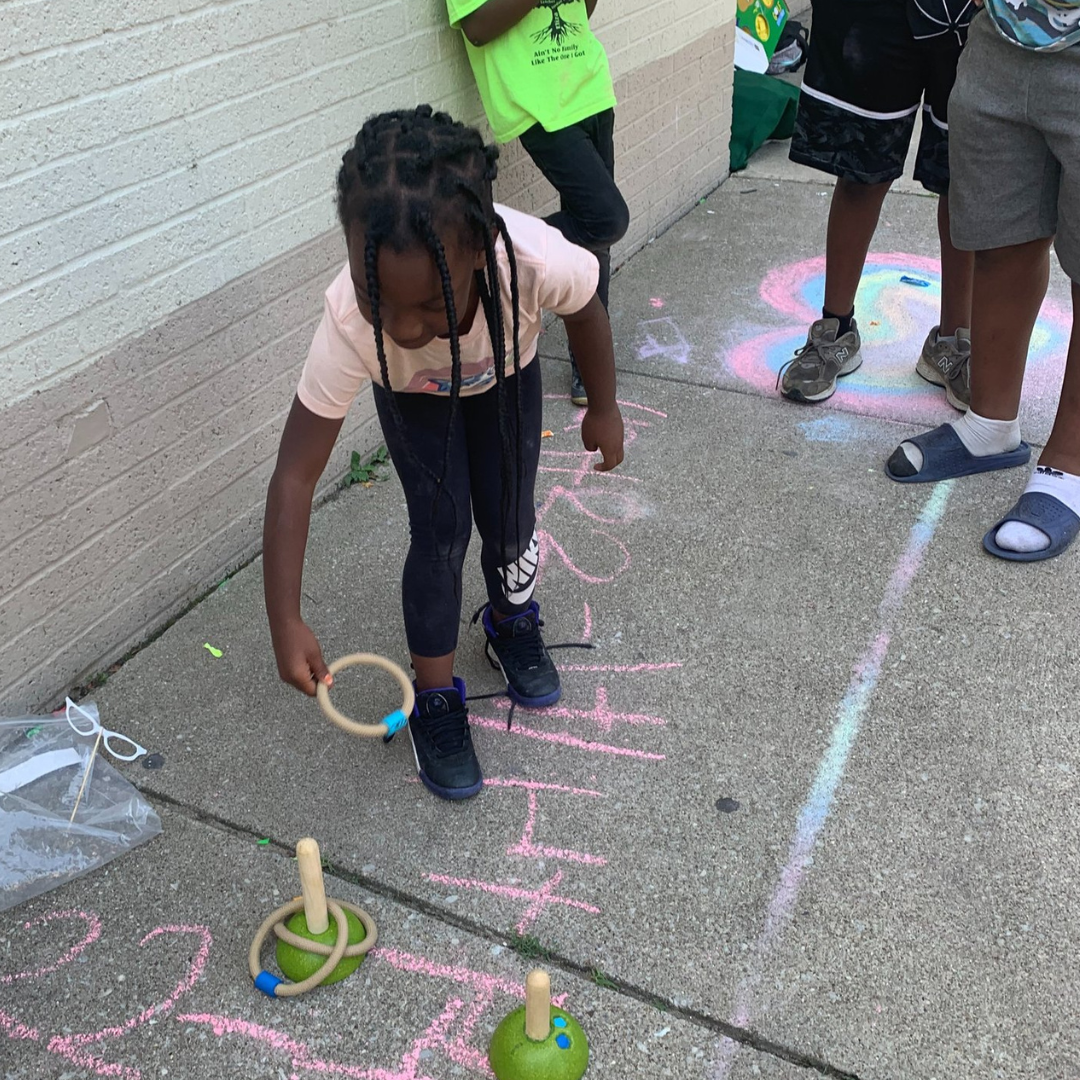
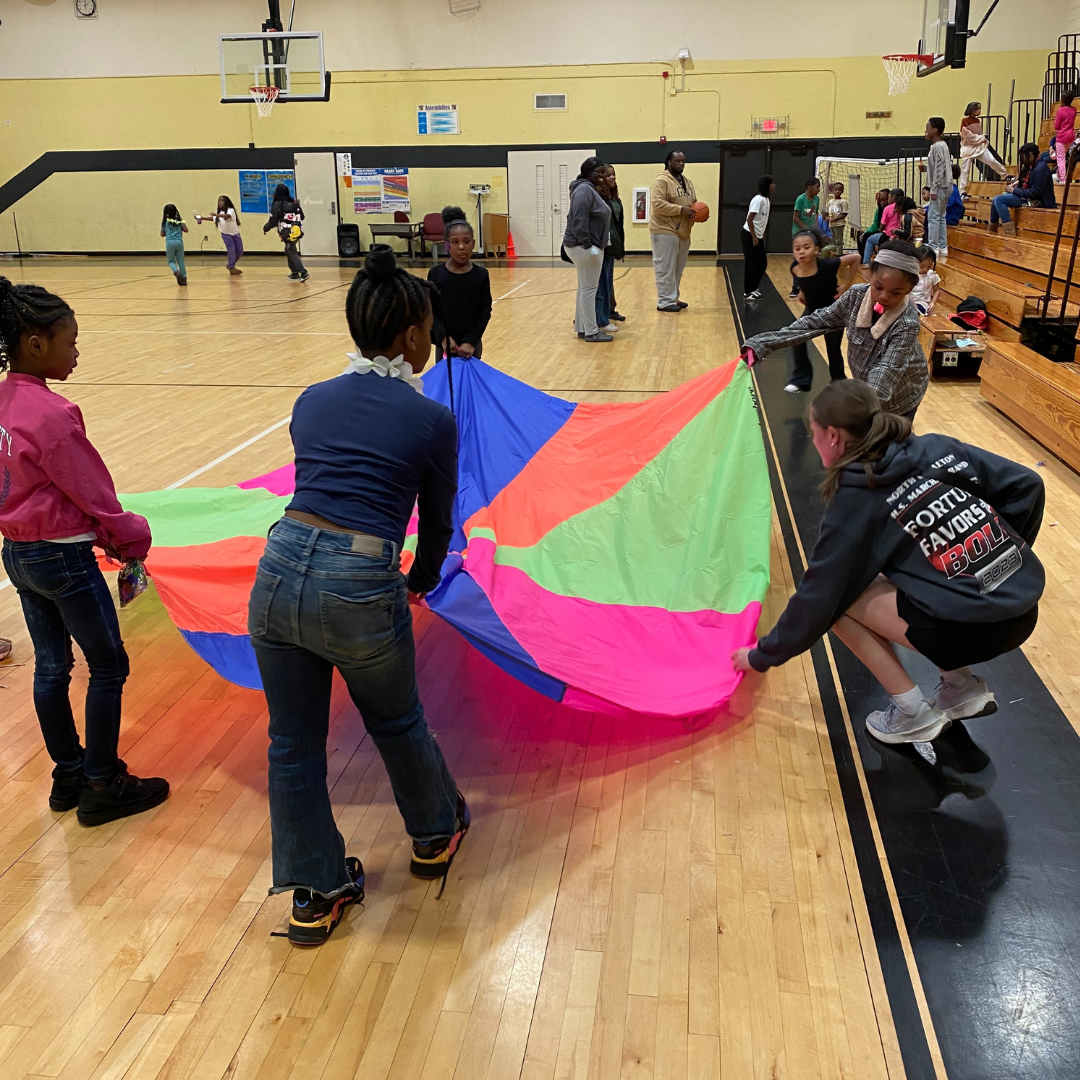
Share A Smile Initiative is a nonprofit organization that supplies birthday boxes and in-person celebrations for low-income families at hospitals and youth shelters. I think we should let kids know that they matter and they’re worth celebrating. Birthdays have been proven to build self-esteem, confidence, and relationship building. Spreading joy to families who would not have been able to celebrate otherwise is really important because we need to connect with families regardless of racial or economic status. It’s like opening presents or finding decorations outside your door. I always had really nice experiences with my birthdays and I know there are a lot of kids who may not have the opportunity to have that experience. I really think that every child deserves to feel special, especially on their birthday.
Have you always been interested in starting your own business?
I never thought I would start a business. I’ve always been academically oriented and doing a lot of things with school clubs. It’s not that I didn’t think I could start a business, I just never saw it happening. But then I saw the need and thought, ‘I’m home for another six months at least during the pandemic.’ Instead of scrolling on my phone or playing games or things like that, I decided to put that time to good use.
You started your business during the pandemic. What was that experience like?
I did a lot of remote work during the pandemic like getting a website up, formatting what the business would look like, and deciding what I needed to do. In 2021, when things started opening up again, that’s when we were able to contact shelters and hospitals and go out in the field and start implementing our idea. Before then, I had called a few hospitals and shelters and it was an immediate no. We were told no because the hospitals had to be extremely cautious during the pandemic and a lot of youth shelters were closed or wouldn’t allow for outside visitors.
What kind of skills have you learned since starting your business?
Time management is a big one. I’ve had to balance schoolwork, extracurricular activities, and an internship while doing all the stuff for my nonprofit. I really had to learn how to chunk off my time and use calendars and agendas. I’ve also learned how to prioritize what comes first and I’ve gotten better at writing. I’ve never been an exceptional writer but when you have to apply for grants, write fundraising emails, and reach out to shelters and hospitals you really have to get good at how to connect with people and make them see that Share a Smile is important. When we’re coordinating birthday parties at shelters or packing party box kits, I’ve had to handle a lot of small details and learn how to be detail oriented and make sure every single part of the celebration is going right. From ordering decorations and communicating with volunteers, to hitting deadlines and making sure everything is going smoothly. Finally, I think I’ve really improved my leadership and communication skills. At the beginning, before I had volunteers and the advisory committee, it was just me. I was the one who called hospitals and shelters, I made the party in a box kits, and ordered decorations. I created our website. Later, I ended up interviewing our board of directors and selecting volunteers. I not only learned how to do all those tasks, I also learned how to delegate and communicate with others. I also had to learn how to make sure everyone is feeling appreciated, valued, and doing what they need to do.
Your business is made up of a board of directors, advisory board members, and volunteers. How do these role contribute to your business?
Our finance director is the one who helps me apply for grants and then creates detailed budgets because a lot of grants ask exactly how you’re going to use the money. The finance director creates detailed spreadsheets that show what is needed for a celebration like the decorations, food, gifts, and other things we would need. Our planning director is the one who researches what decorations are cheapest to buy because we’re trying to save money since we’re a nonprofit. They also figure out where we can buy food from or if a business is willing to give us discounted or donated food. They handle a lot of research and planning. Our outreach director is the one who handles our volunteers. They take in new applications for volunteers and interview them if they’re applying to be a chapter leader or another leadership position. They’re also constantly recruiting new volunteers whether that be from different schools or organizations. They handle all the outreach with volunteers and occasionally will help with outreach to shelters or hospitals to make sure we’re spreading our impact as much as we can. Our social media director directs all social media posts to spread awareness for Share a Smile and upcoming events. The board of directors is made up of high school and college students. We also have two corporate advisory board members who are professionals, and they help with things that I don’t know how to do or deal with. Like right now, I’m trying to file Share a Smile Initiative as a 501(c)(3). They also help with tax paperwork and things like that. They have experience and expertise in the real world that we just don’t have. I really appreciate them taking the time to assist us because they have full-time jobs and families but they’re always willing to contribute innovative ideas and help me. We also have about 200 volunteers and chapters of Share a Smile in six states. We also have virtual volunteers from around the world.
What challenges have you faced and how have you overcome them?
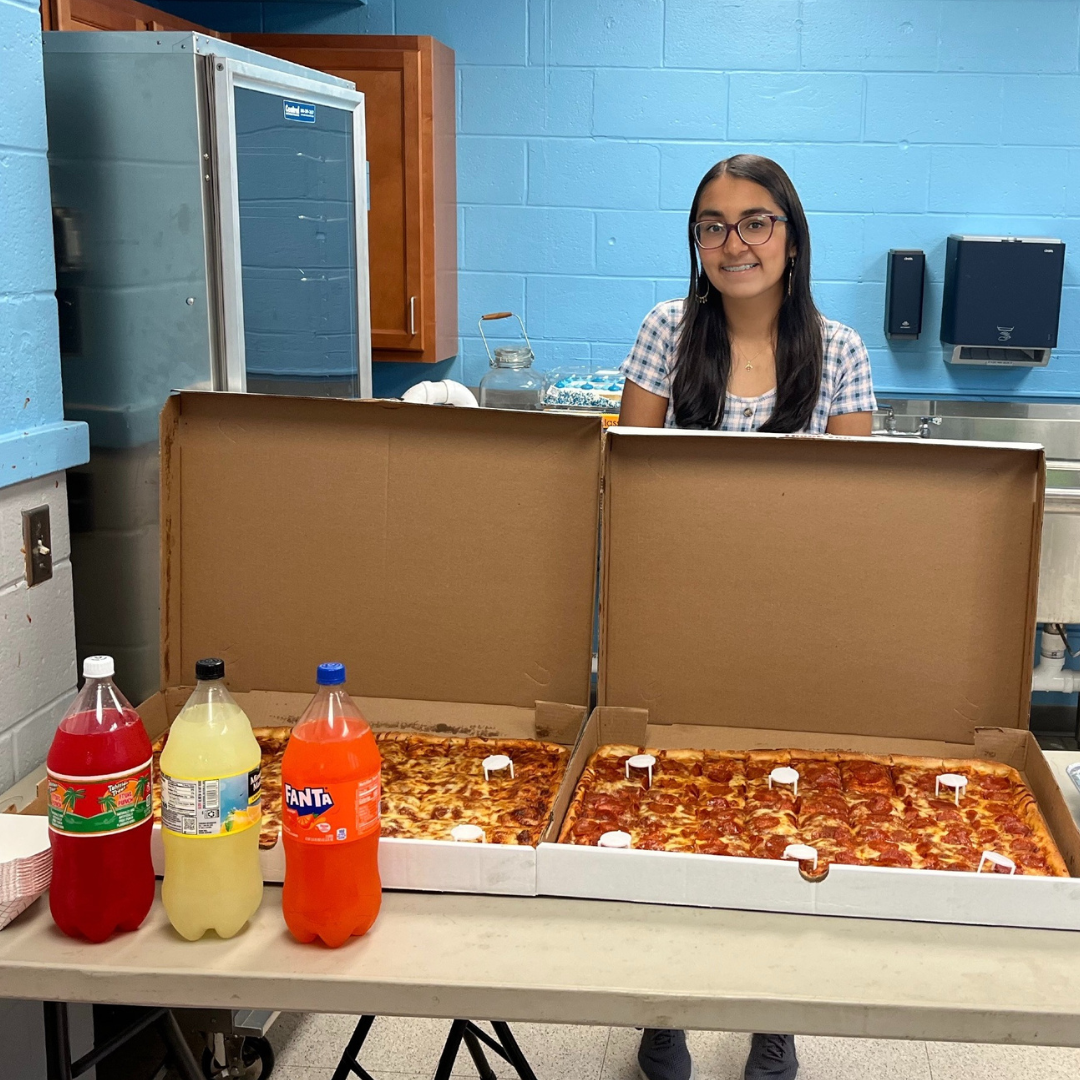
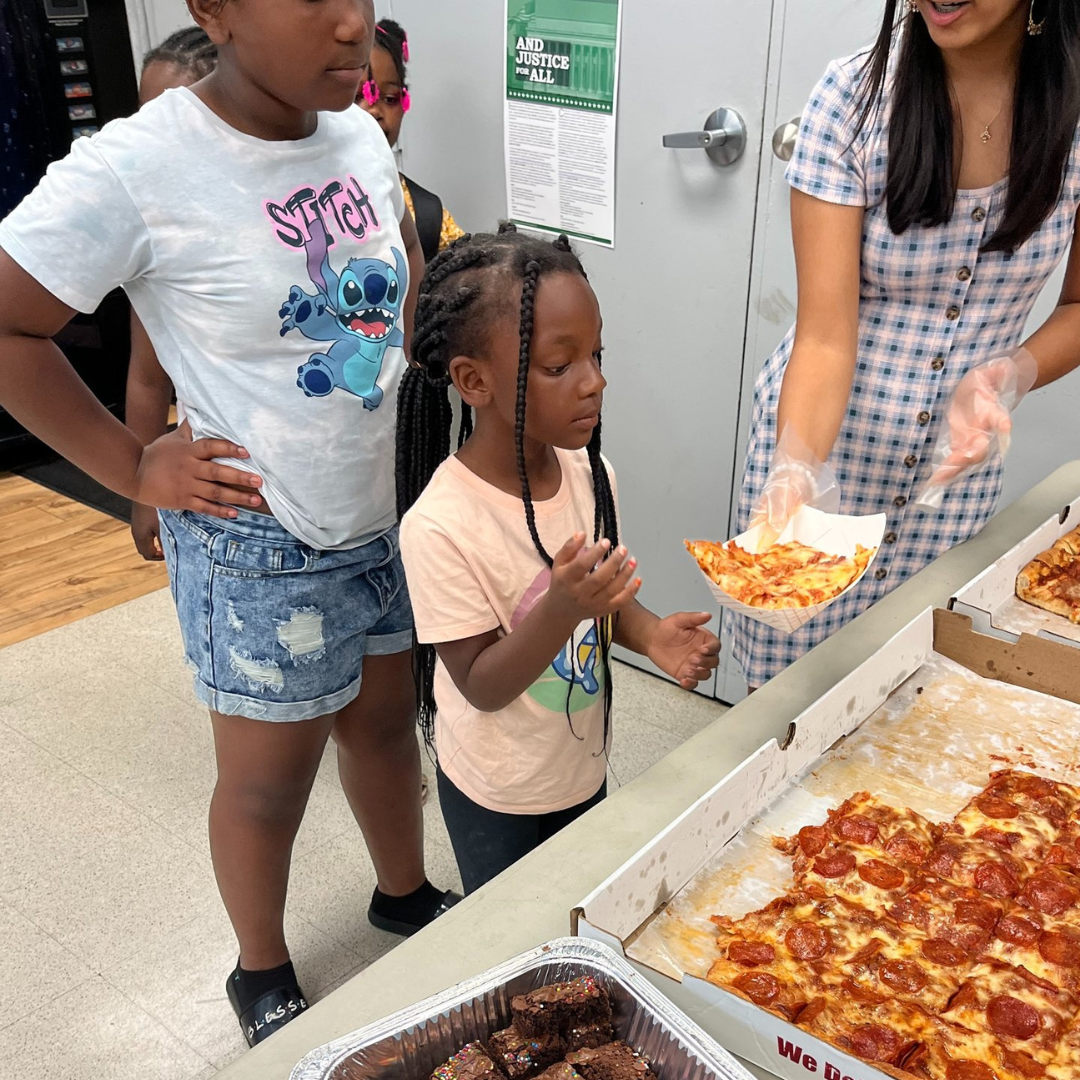
A challenge we face on the nonprofit logistical side is funding. We do all this for free for the youth shelters and hospitals, but that’s hard because a celebration is a lot of money. You need to buy pizza, cupcakes, decorations, presents for kids, candy, and games to play. It’s a lot of money and it’s sometimes a struggle to find that money and the grant options are very limited. We overcome that by being innovative. For example, not too many grants or donation options are available right now so I’m organizing a fundraiser that can bring in funds. I would say being innovative solves a lot of problems because if one thing is not working, you can’t keep sitting on that. You need to try something else and move on. Another challenge was that I just didn’t know how to start asking for donations without sounding awkward and people aren’t always open to giving donations when a high school student is asking. But once I truly explain what Share a Smile is and what our mission is they are a lot more open to partnering with us, working with us, and donating to us. Nobody likes to ask for things or to give them away for free. It was a lot of trial and error. I have probably hundreds of emails from not just corporations, but also from shelters and hospitals that were left unanswered. I also made calls and then to voicemails, but it helped me learn perseverance. It would have been easy to give up but I’m glad I didn’t. It took dedication and perseverance to overcome that struggle but when we finally got a “Yes,” it made it so worth it for all the “Nos.”
What would you tell someone who is debating starting their own business?
I would say to start small, but start now. The thing is, there’s never gonna be a perfect time when you’re like, oh this is the time where I should go start a business. Life is always going to be busy, so I think you should just start. Even if you start small, it’s worth it to just start now and keep building on it because something I learned is you don’t need a perfect plan or a big budget or a lot of experience. You really just need a clear mission or a clear goal of what you want and willingness to try, fail, but also willingness to learn. Believe in your idea and keep moving forward, even if you face 1,000 rejections, I’ve had my fair share of rejections, but if you keep pushing through, you’ll eventually get somewhere even if it’s slow, it’s worth it. Something that really helped me is reaching out to adult mentors early, whether that be teachers, community leaders, friends, family, or even social workers, they’ll guide you through the confusion that you might have no idea how to attack like paperwork or fundraising. I think a lot of this is using your existing networks and being creative with them. I was in a school club and it really helped me to ask the mock trial advisor for help because I figured if I don’t know much about legal stuff and my parents don’t know much about the legal side of things, maybe the mock trial advisor would know. She deals a lot with case law and case files and things like that, running a club like mock trial, and honestly, she was a huge help. Local businesses are another big help. People underestimate local businesses, but in my experience, I’ve found local businesses are way more willing to donate than big corporations. Using your network is a really big thing that I learned how to take advantage of.
You graduate in 2026, what are your goals for after you graduate?
My goal is to attend a four-year university after high school. I’m in the process of creating a solid list of colleges I want to go to, writing essays, and filling out applications. I’m thinking of majoring in business. Maybe I’ll get a minor or a double minor in entrepreneurship or economics. I’m hoping to pursue a master’s degree but that’s down the line. Another thing I wanted to mention is in college, I would continue Share a Smile Initiative. I don’t want to give up on Share a Smile because I’m in college. I would consider starting a chapter wherever I go.